
Student Leadership at Fairhill School | Building Confident Leaders with Learning Differences
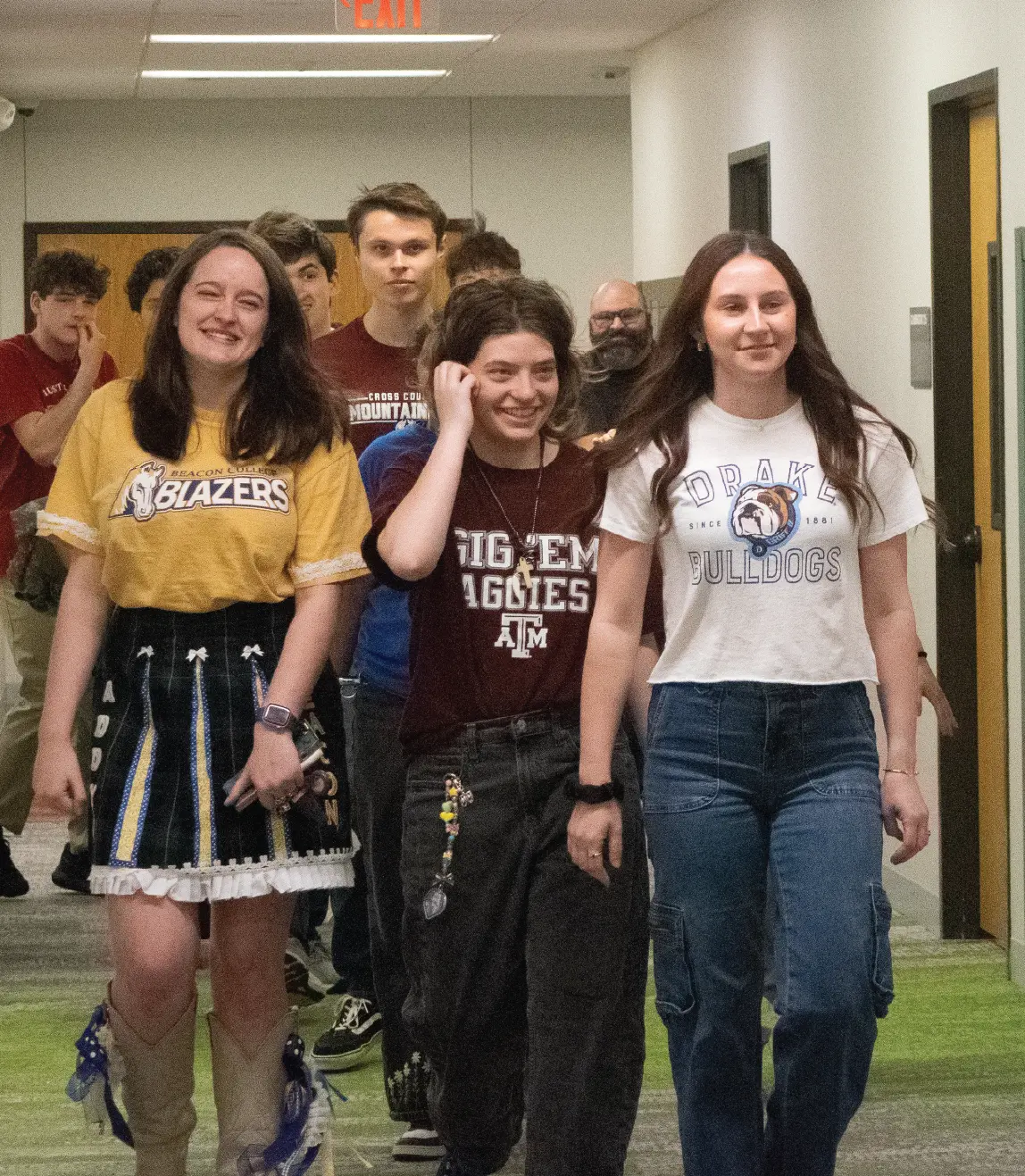
Fairhill School’s student leadership program helps students with learning differences develop confidence, self-advocacy skills, and the ability to create positive change in their school and beyond. Through authentic leadership experiences, students discover that learning differently is not a barrier to leading effectively.
- Student government, peer mentoring, community service, and media leadership
- Real decision-making responsibilities with appropriate guidance and support
- Leadership pathways designed for diverse strengths and communication styles
- Skills that transfer directly to college applications and career success
55+
Years Serving North Dallas
16
Acres of Campus
7:1
Student-Teacher Ratio
100%
College Acceptance Rate
Learning
Why Leadership Matters for Students with Learning Differences
Students with learning differences bring unique perspectives, empathy, and problem-solving abilities that make them effective, thoughtful leaders. Fairhill’s leadership program provides diverse pathways so every student can lead in ways that match their individual strengths and interests.
Leadership development at Fairhill focuses on building practical skills: self-advocacy, communication, collaborative problem-solving, and project management. These abilities serve students throughout college and adult life, not just during their school years.
Government
Student Government
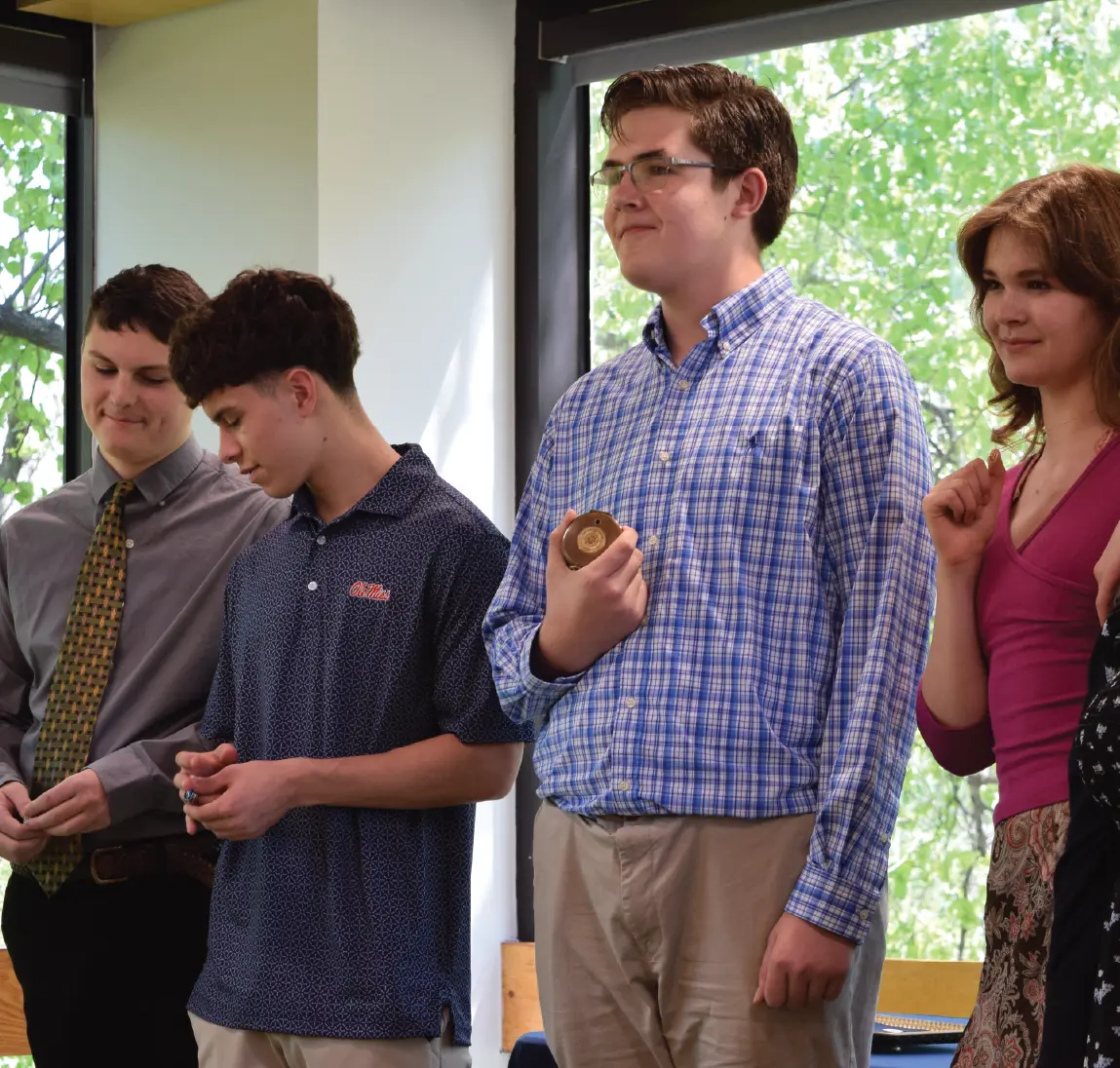
Student government provides authentic democratic experiences where students learn civic responsibility, collaborative decision-making, and advocacy. Elected officers manage meetings, coordinate projects, and work with administration to propose real improvements to school life.
Class representative programs connect student voices to school leadership, ensuring that all perspectives are heard and valued. The process accommodates diverse communication styles so that every student can participate meaningfully.
Mentoring
Peer Mentoring and Support
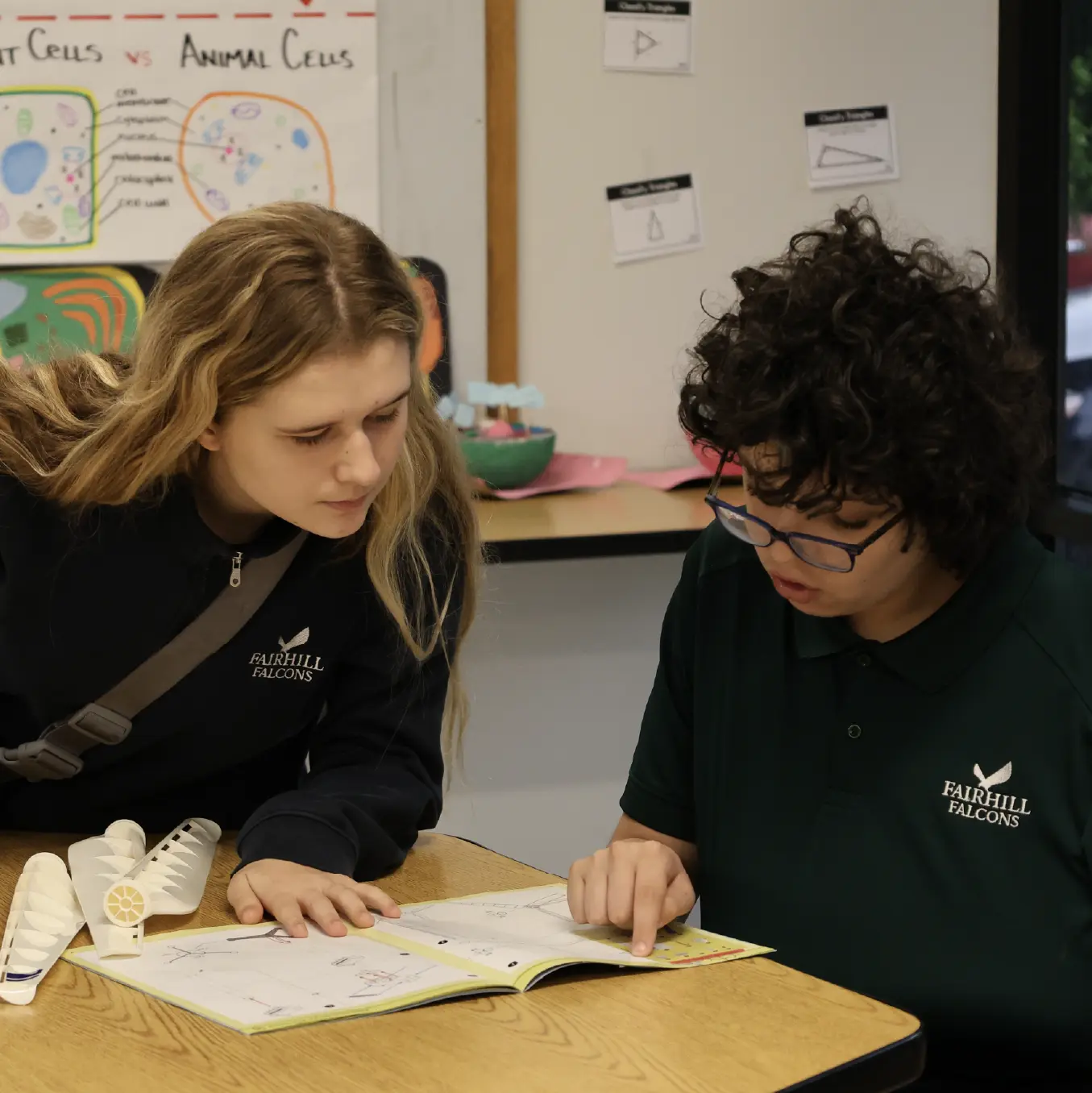
Peer mentoring pairs experienced students with newer classmates to provide guidance, friendship, and practical advice. Mentors develop empathy, communication skills, and leadership confidence while mentees gain a trusted ally during their transition.
The Student Ambassador program allows experienced students to welcome incoming families, host student visitors, and share insights about school culture. Peer tutoring coordination enables academically strong students to support classmates, reinforcing their own skills in the process.
Community Service
Community service leadership gives students the opportunity to organize volunteer activities, coordinate charitable projects, and lead service initiatives. Students develop project management skills and civic responsibility while recognizing their ability to make a meaningful difference. Environmental stewardship, local partnership coordination, and campus sustainability initiatives offer additional leadership pathways for students with diverse interests.
Communication and Media
Student media leadership includes yearbook production and digital content creation. Students build communication, creative, and technical skills while documenting school life and sharing student perspectives. Public speaking opportunities range from leading assemblies to presenting at local and national student conferences. These experiences build communication confidence at each student's own pace, with support adapted to individual comfort levels.
Advocacy and Innovation
Self-advocacy leadership teaches students to speak for their own needs while also advocating for others. Disability awareness leadership involves educating peers and community members about learning differences, promoting understanding, and reducing stigma. Innovation leadership encourages students to identify school improvement opportunities, propose solutions, and lead implementation of positive changes. Technology integration leadership allows students to assist with digital learning initiatives and support peers with assistive tools.
Training
Training and Recognition
Leadership workshops provide structured skill development in communication, project management, and team building. Faculty mentors and community leaders offer ongoing guidance and feedback to developing leaders.
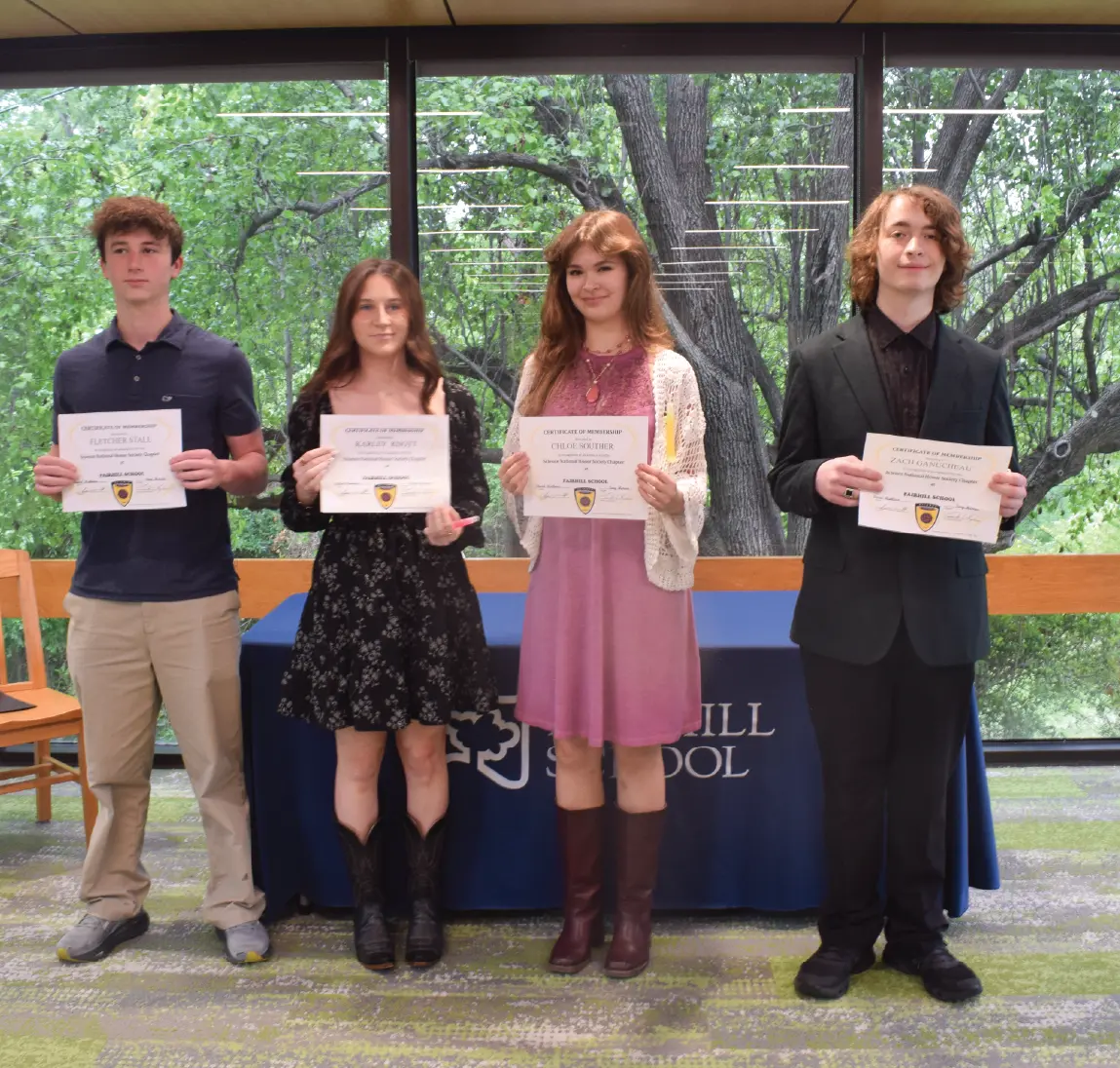
Recognition programs celebrate individual achievement, collaborative success, and diverse forms of leadership contribution. Leadership portfolio development helps students document their experiences for college applications and personal reflection.
Alumni connections link current student leaders with graduates who have continued their leadership development in college and careers, providing mentorship and inspiration.
Leadership
The Impact of Leadership at Fairhill
Students who participate in leadership at Fairhill graduate with more than a line on their college application. They leave with the confidence to speak up for themselves, the skills to organize and collaborate, and the understanding that their perspective as someone who learns differently is an asset, not a limitation. These are the qualities that set Fairhill graduates apart in college admissions interviews, in the workplace, and in their communities.
Questions
Frequently Asked Questions
Join Our Mailing List
Get the latest news and updates straight from us.