
Middle School at Fairhill School in North Dallas
The middle school program at Fairhill School supports students with learning differences through the critical transition years of grades 6-8. Our expert faculty understands the unique challenges of adolescence combined with learning differences, providing specialized instruction that addresses academic needs alongside developmental growth.
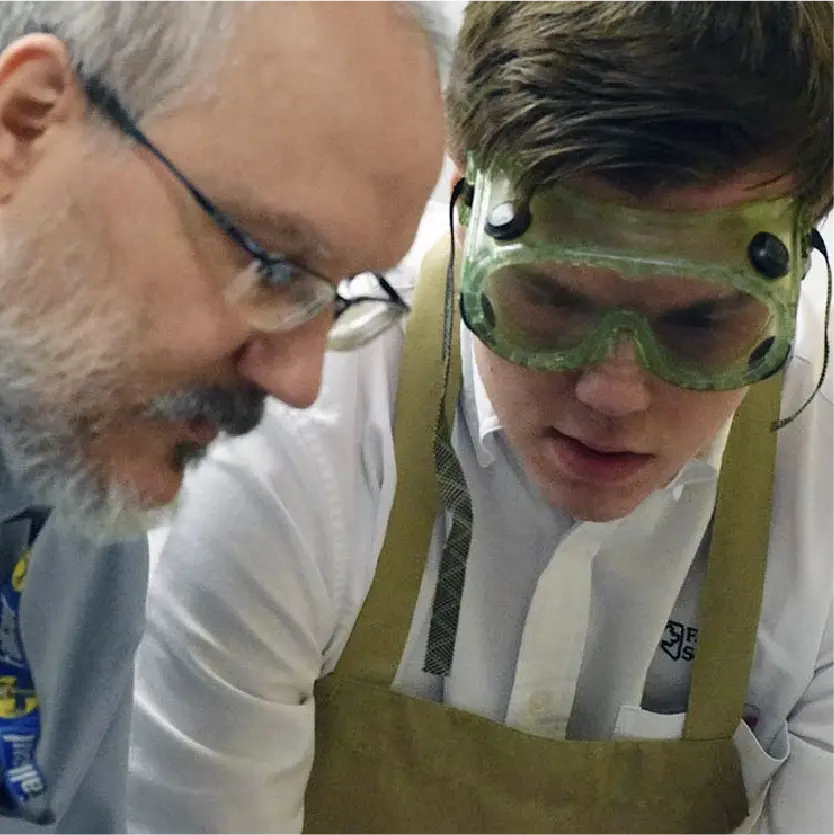
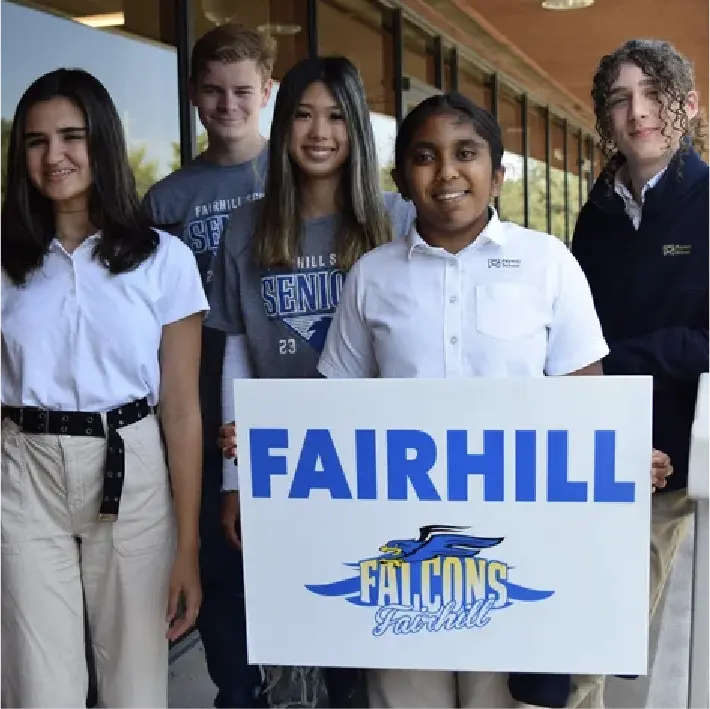
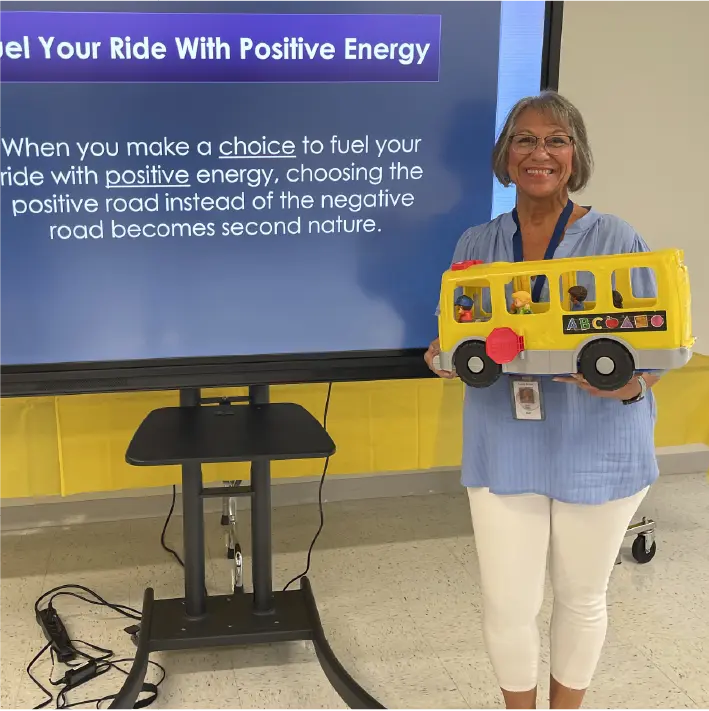
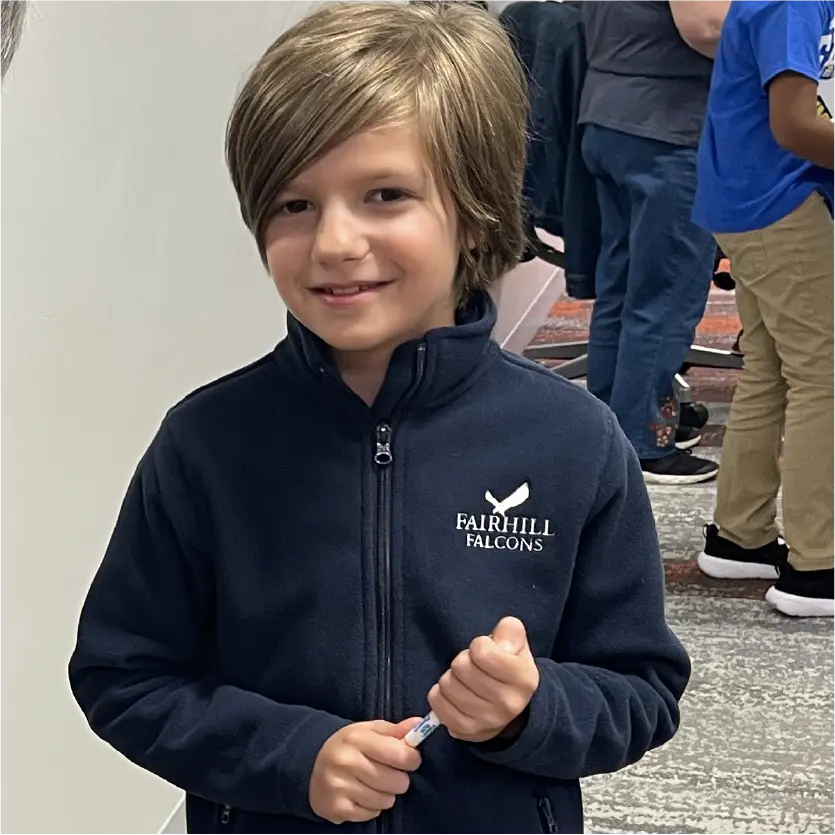
Grades 6–8
Navigating the Middle School Years
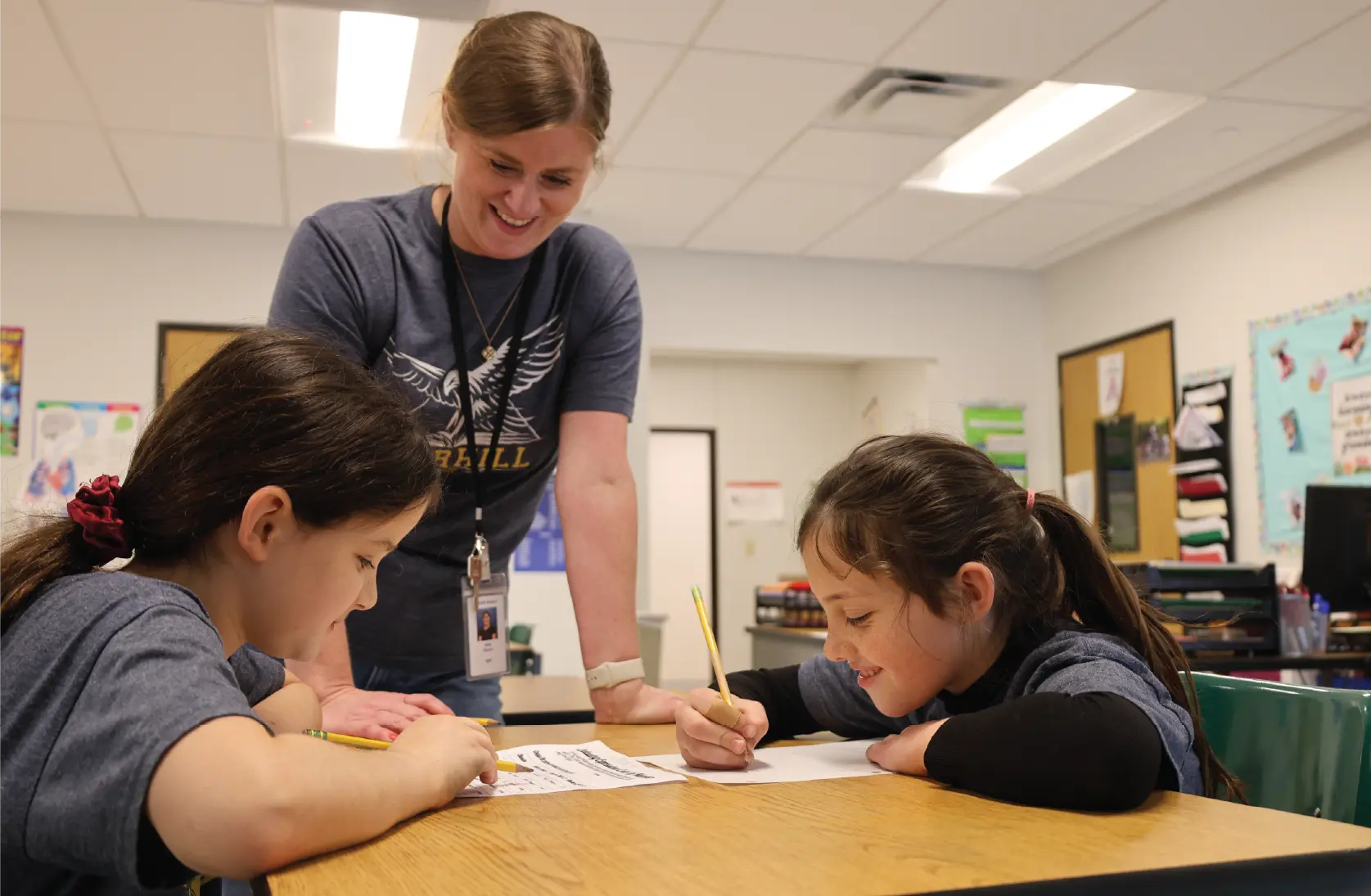
Middle school brings increased academic demands and social-emotional complexity. At Fairhill School, students benefit from teachers who balance college preparatory rigor with continued learning difference support, executive function development, and social-emotional guidance. Our 7:1 student-teacher ratio ensures individualized attention when students need it most.
The curriculum is built on evidence-based practices proven effective for students with learning differences, incorporating findings from neuroscience, educational psychology, and current research. Every subject area uses specialized methodologies that address unique learning needs while maintaining academic rigor.
Curriculum
Academic Rigor With Support
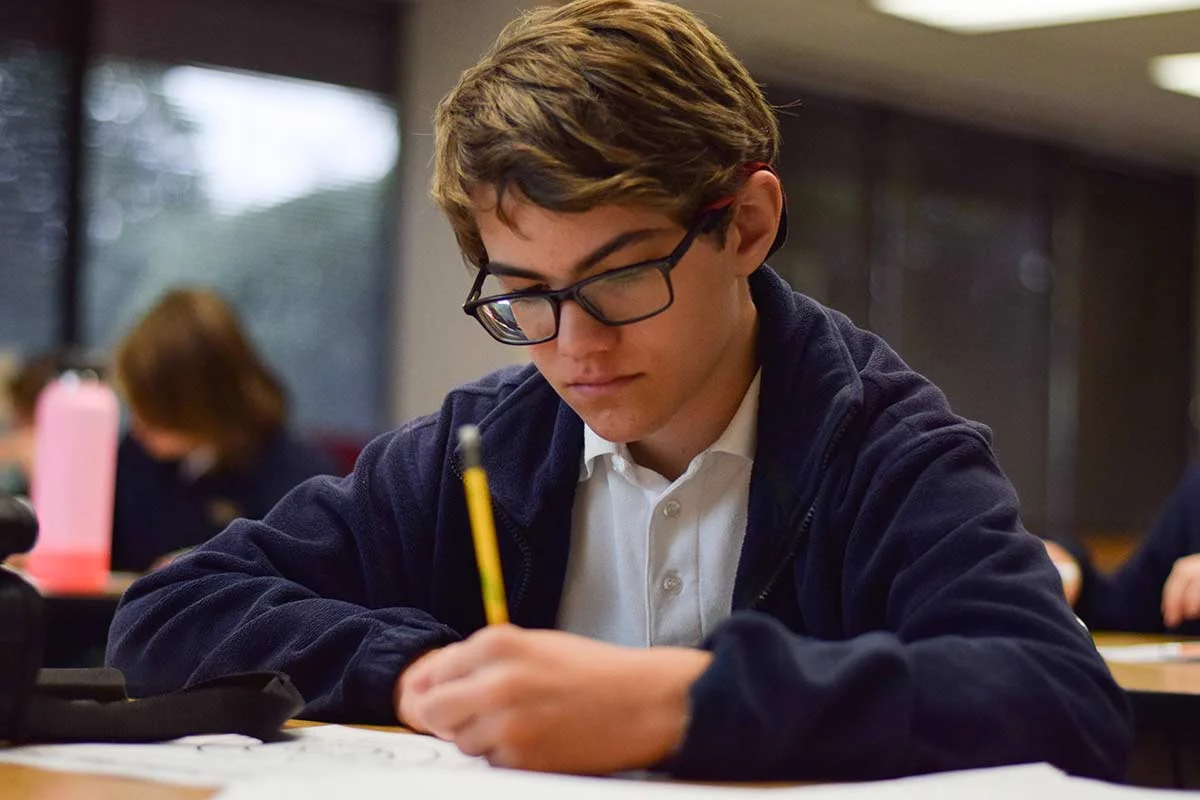
The curriculum maintains college preparatory standards across English language arts, mathematics, science, social studies, and electives. Multi-sensory instruction, structured literacy approaches, and executive function skill development are woven throughout every course. Individualized instruction addresses each student’s specific learning profile while challenging them to reach their full potential.
Skills
Executive Function Focus
Grades 6-8 are critical years for establishing organizational systems and independence. Our program provides explicit instruction in:
- Time management and planning
- Organization across multiple classes
- Assignment tracking and study skills
- Self-advocacy and requesting support
- Self-monitoring and reflection
These practical strategies help students manage increased academic demands while building confidence in their ability to handle responsibilities independently.
Development
Social-Emotional Development
Counseling services, peer support groups, and character education address the unique challenges of adolescence with learning differences. Students develop healthy peer relationships, emotional management skills, and positive self-identity. Building resilience and self-advocacy during these years supports both academic achievement and personal growth.
Learning Difference Awareness
Middle school is when students develop deeper understanding of their individual learning profiles. They learn about their specific differences, recognize strengths and challenges, and develop strategies for success in various settings. This self-awareness empowers students to view their differences as variations rather than deficits, building confidence for high school and beyond.
Technology Integration
Students develop advanced digital literacy, research skills, and effective use of assistive technology. Technology supports learning differences through specialized devices and software while preparing students for high school and college expectations. Responsible use and digital citizenship are emphasized throughout.
Beyond the Classroom
Extracurricular Activities
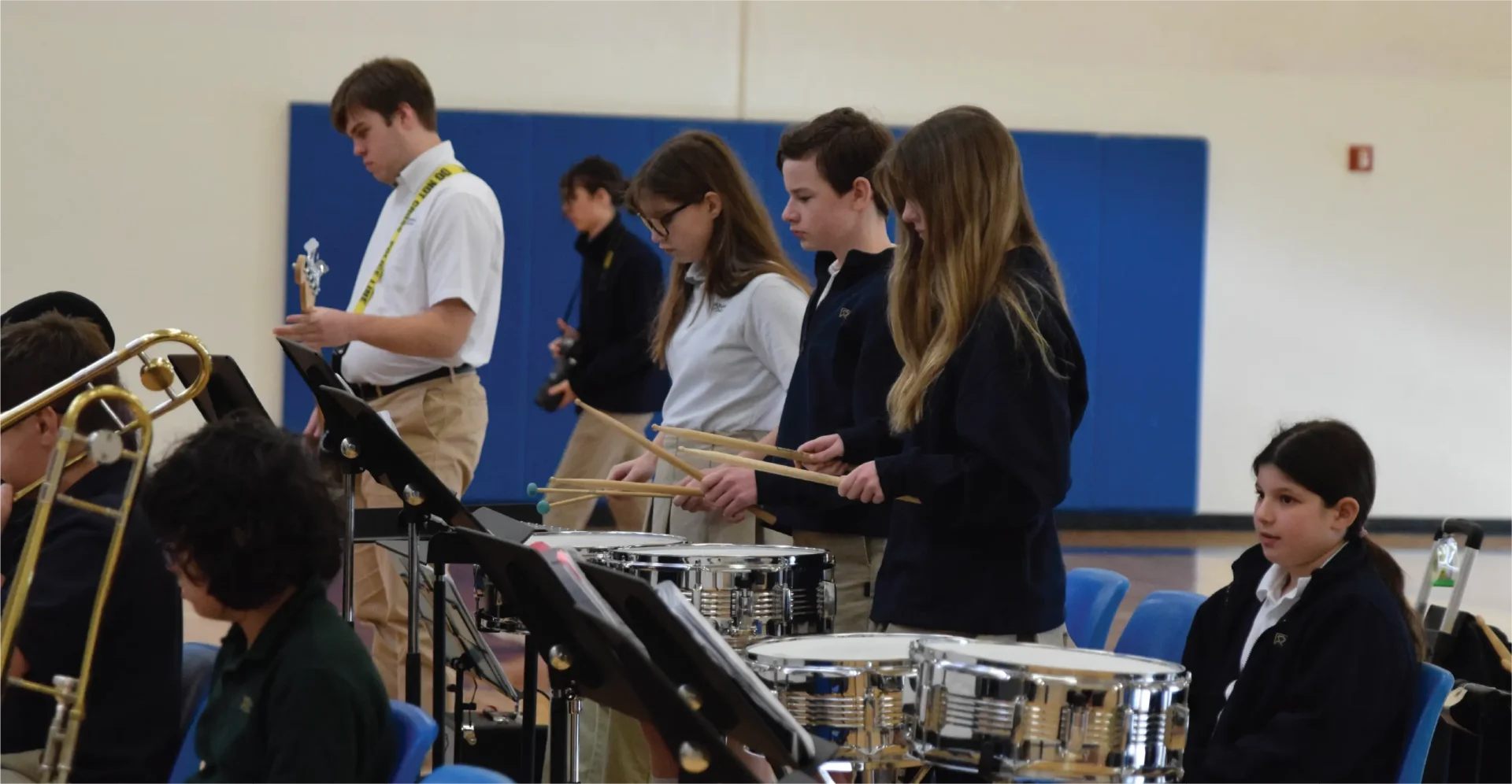
Athletics, fine arts, clubs, student government, and community service provide pathways for success beyond academics. These activities help students discover talents, build friendships, and develop leadership skills. Many students with learning differences excel in areas where they have particular strengths, building confidence that carries into all areas of school life.
Looking Ahead
Preparing for High School
Transition planning begins in sixth grade with gradual introduction of increased expectations and independence. Eighth graders participate in high school course planning, study skills intensification, and advanced self-advocacy development. This systematic preparation reduces anxiety and builds readiness for the next phase.
Preparation
College Preparation Foundations
Advanced coursework, research skills, and early conversations about post-secondary goals begin laying the foundation for college readiness. Students learn that their learning differences do not limit their options and begin building the academic habits essential for future success.
Services
Support Services
Learning specialist assistance, counseling, and assistive technology support are coordinated with classroom instruction. Regular progress monitoring, strategy instruction, and family communication ensure consistent support across all environments.
Questions
Frequently Asked Questions
Specialized instruction, small class sizes, and comprehensive support designed specifically for students with learning differences during the critical adolescent years. Our faculty understands both learning differences and adolescent development.
Gradual introduction of increased independence, organizational demands, and academic expectations, plus specific transition activities, executive function coaching, and counseling support.
Comprehensive college preparatory curriculum including English, math, science, social studies, and electives, all using specialized instruction methods.
Explicit, systematic instruction in organization, time management, study skills, and self-monitoring integrated throughout every course.
Athletics, fine arts, clubs, student government, and community service opportunities for discovering talents and building leadership skills.
Increasingly rigorous academics, self-advocacy training, and specific eighth-grade transition planning build readiness for high school demands.
Counseling, peer support groups, character education, and social skills instruction address the unique challenges of adolescence with learning differences.
Our 7:1 student-teacher ratio ensures individualized attention during these critical years.
Explore our curriculum guides to learn more about the academic programs, courses, and learning opportunities offered in Middle School:
Middle School Curriculum – [Middle School Curriculum Link
Join Our Mailing List
Get the latest news and updates straight from us.