
Our Educational Approach at Fairhill School in North Dallas
Fairhill School’s educational approach is built on the principle that every student with learning differences possesses unique strengths that, when properly nurtured, lead to exceptional achievement. Our North Dallas campus implements a comprehensive whole-child methodology addressing academic excellence, social-emotional development, and life skills preparation.
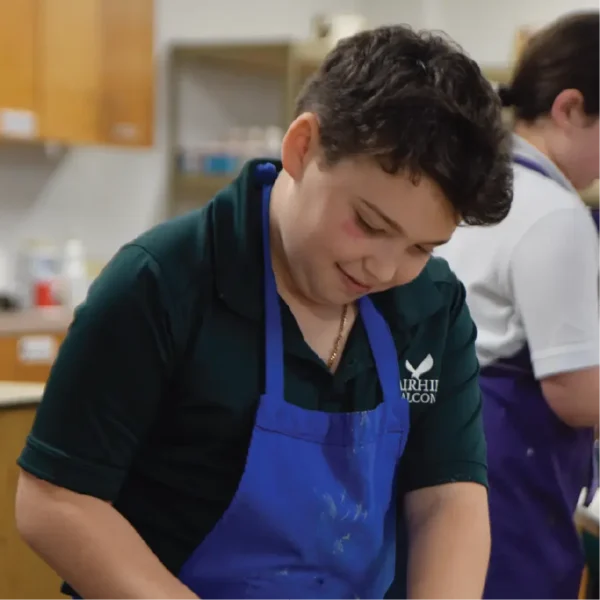
Our Philosophy
Whole-Child Philosophy
We believe that learning differences represent neurological variations rather than deficits. Our approach capitalizes on these differences to create learning advantages.
Students need more than academic accommodation. They need an environment specifically designed to transform challenges into strengths through empowerment, self-advocacy, and confidence building alongside rigorous college preparatory academics.
Our North Dallas campus implements a comprehensive whole-child methodology addressing academic excellence, social-emotional development, and life skills preparation.
Accessibility
Multi-Sensory Instruction
Research-based multi-sensory methods engage visual, auditory, and kinesthetic learning pathways simultaneously. Classrooms feature hands-on manipulatives, visual representations, movement activities, and tactile experiences that make abstract concepts concrete and accessible. This approach has proven especially effective for students with dyslexia, dysgraphia, and other learning differences.
Structured Literacy
Our evidence-based structured literacy program provides systematic, explicit instruction in phonemic awareness, phonics, fluency, vocabulary, and comprehension. Following Orton-Gillingham principles with cumulative progression and multi-sensory techniques, students build foundational reading skills that support success across all academic areas.
Individualized Educational Planning
Individualized student needs are derived from comprehensive assessment, ongoing progress monitoring and collaborating closely with families, teachers, and learning specialists to develop instructional decisions, accommodations, and support strategies. Regular team meetings keep plans responsive to student growth and changing needs. Students participate in understanding their own learning profiles, developing the self-advocacy skills essential for future independence.
Skills for Life
Executive Function Development
Executive function skills are integrated throughout the curriculum because they are fundamental to both academic success and life preparation.
- Organization and material management
- Time management and planning
- Self-monitoring and progress tracking
- Emotional regulation and flexibility
- Problem-solving and decision-making
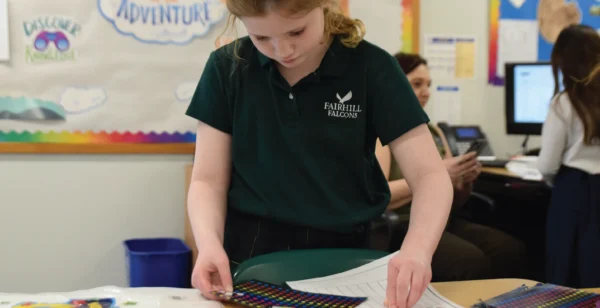
Acessibility
Technology Integration
Assistive technology tools remove barriers to learning while maintaining high academic expectations. Interactive whiteboards, tablets, specialized software, and assistive devices create multiple pathways for students to engage with content and demonstrate knowledge. Students learn to use technology tools that serve them throughout their academic and professional lives.
Wellbeing
Social-Emotional Learning
Academic success depends on social-emotional well-being. Our program includes counseling services, peer support groups, and character education that build resilience, empathy, and healthy relationships. Students develop positive self-concepts and the emotional foundation needed for academic risk-taking and persistence.
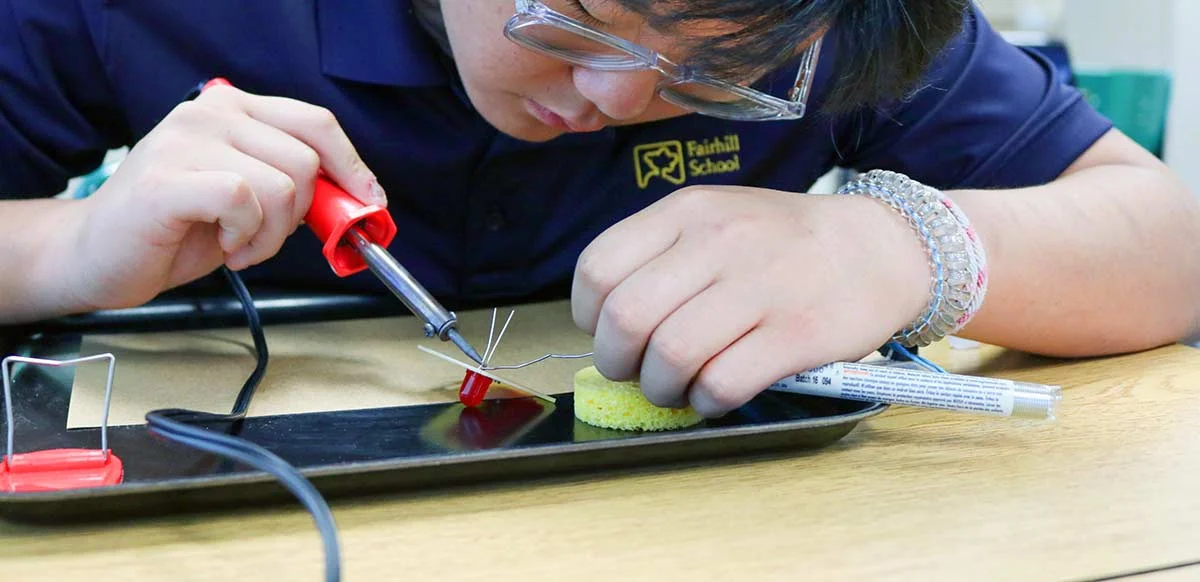
Future Ready
College and Career Readiness
Preparation extends beyond traditional academics to include life skills, self-advocacy, and transition planning. Students receive advanced coursework, standardized test preparation, and comprehensive college counseling. They learn to communicate their learning differences as strengths while identifying appropriate college environments.
Career readiness includes aptitude and interest inventories, career matching, financial literacy, and independent living skills that help students envision and pursue their goals.
Accessibility
Family Partnership
Successful outcomes require strong school-family partnerships. Regular communication, parent education workshops, and shared goal-setting extend our educational approach beyond the school day.
Families receive training in understanding learning differences, supporting study skills, and advocating for their children.
Questions
Frequently Asked Questions
Join Our Mailing List
Get the latest news and updates straight from us.