
Elementary School at Fairhill School in North Dallas
The elementary program at Fairhill School serves students with learning differences in grades 1-5 through specialized instruction, multi-sensory methods, and a nurturing environment that builds both skills and confidence. Our 7:1 student-teacher ratio ensures every young learner receives individualized attention during these critical foundational years.
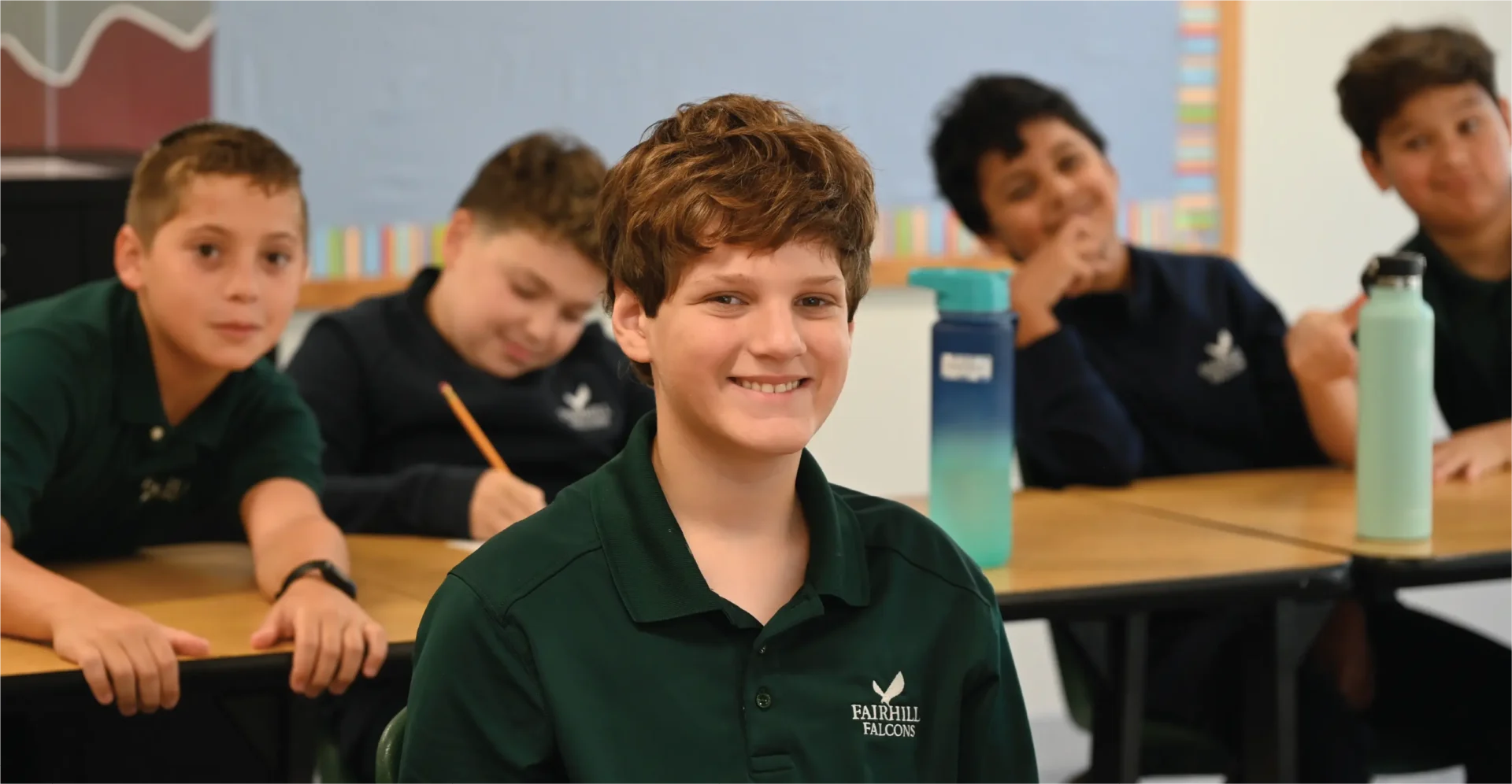
Grades 1–5
Building Strong Foundations
Elementary students benefit from small classes, expert teachers, and evidence-based methodologies specifically designed for young learners with dyslexia, ADHD, and other learning differences. We balance academic rigor with age-appropriate activities, creating a program that challenges students while providing the support they need to develop a genuine love of learning.
Literacy
Literacy Development
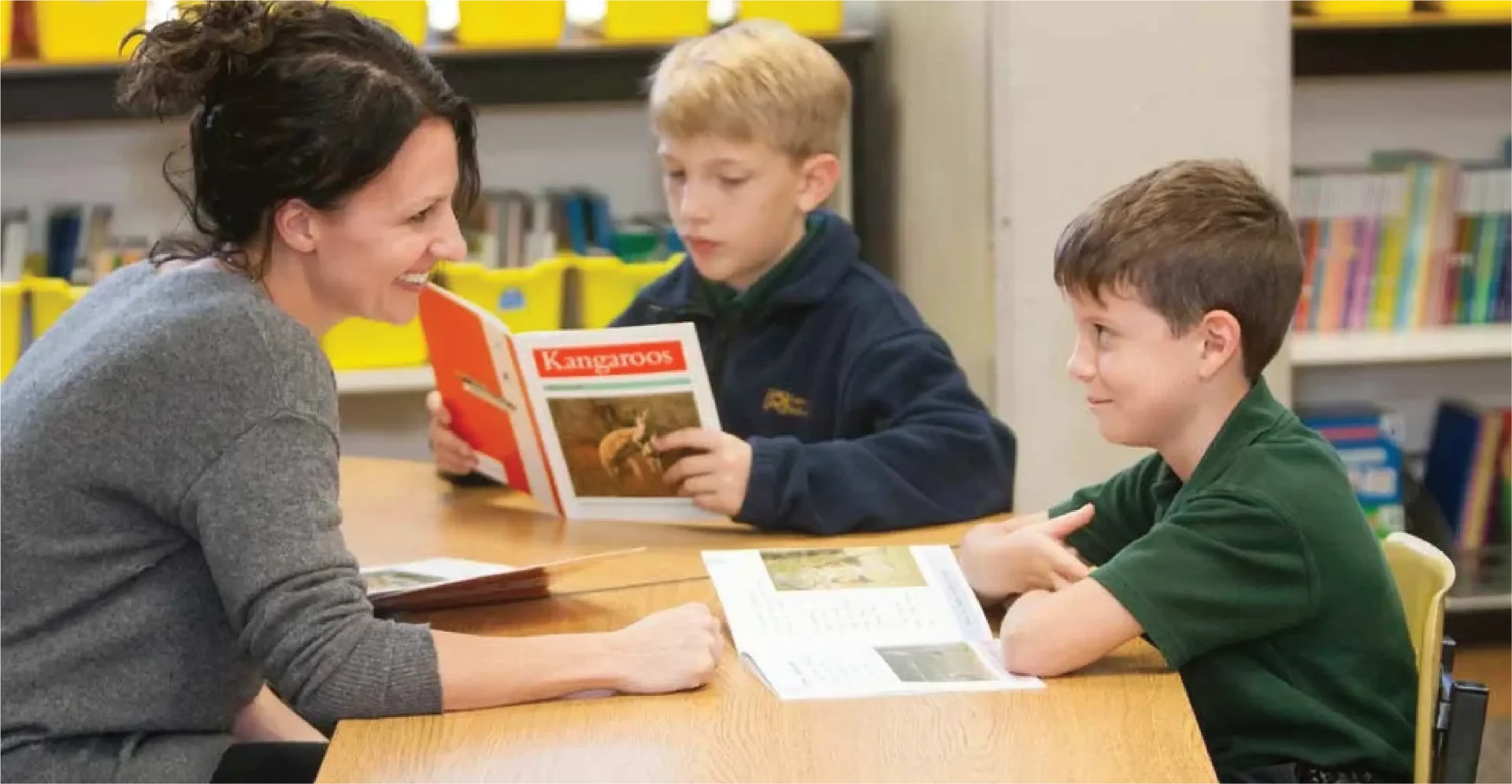
Structured, systematic instruction covers phonemic awareness, phonics, fluency, vocabulary, and comprehension using multi-sensory methods proven effective for students with dyslexia and other reading differences. Daily reading and writing instruction builds foundational skills while fostering appreciation for literature and communication.
Mathematics
Mathematics Foundation
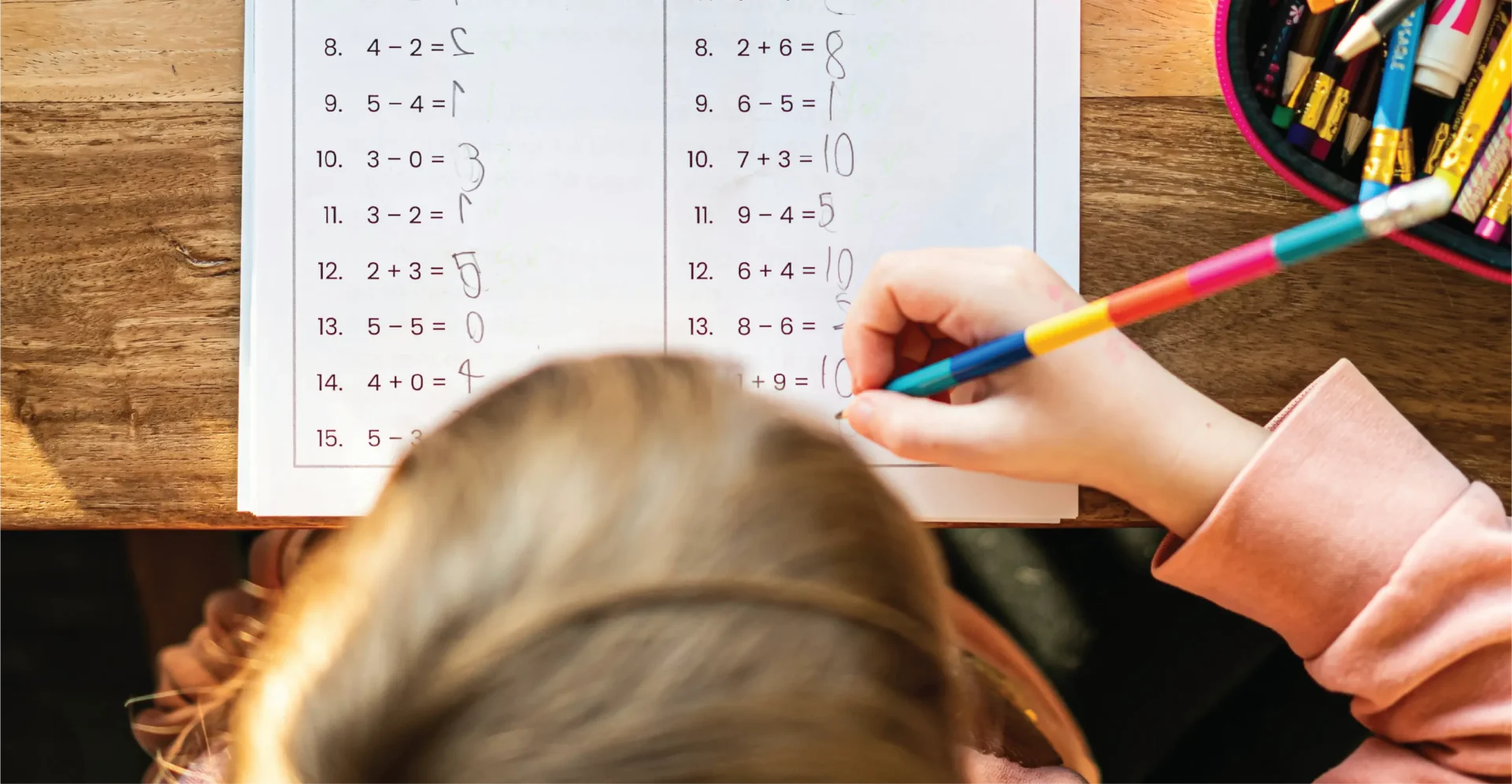
Concrete, hands-on approaches make abstract math concepts accessible. Manipulatives, visual representations, and real-world applications support number sense development for students with dyscalculia and other math learning differences. Students build mathematical confidence through positive experiences that prepare them for advanced coursework in later grades.
Whole-Child Development
Executive Function Skills
Age-appropriate instruction in organization, time awareness, and self-monitoring begins early. Teachers explicitly teach organizational systems, routine establishment, and independence skills that support both academic success and social-emotional development. These foundational executive function skills are critical for future achievement.
Social-Emotional Learning
Comprehensive social-emotional programming helps young students develop self-awareness, social skills, and emotional regulation. Activities build empathy, cooperation, and friendship skills while helping students understand and manage their emotions. Our nurturing environment helps students with learning differences develop positive self-concepts and the resilience to take academic risks and persist through challenges.
Specialized Support Services
Students receive speech language therapy, and learning specialist support as needed. Our multidisciplinary team coordinates services with private therapists and classroom instruction, maximizing effectiveness. Regular family communication ensures consistency between school, private therapists, and home environments.
Enrichment
Creative Arts and Enrichment
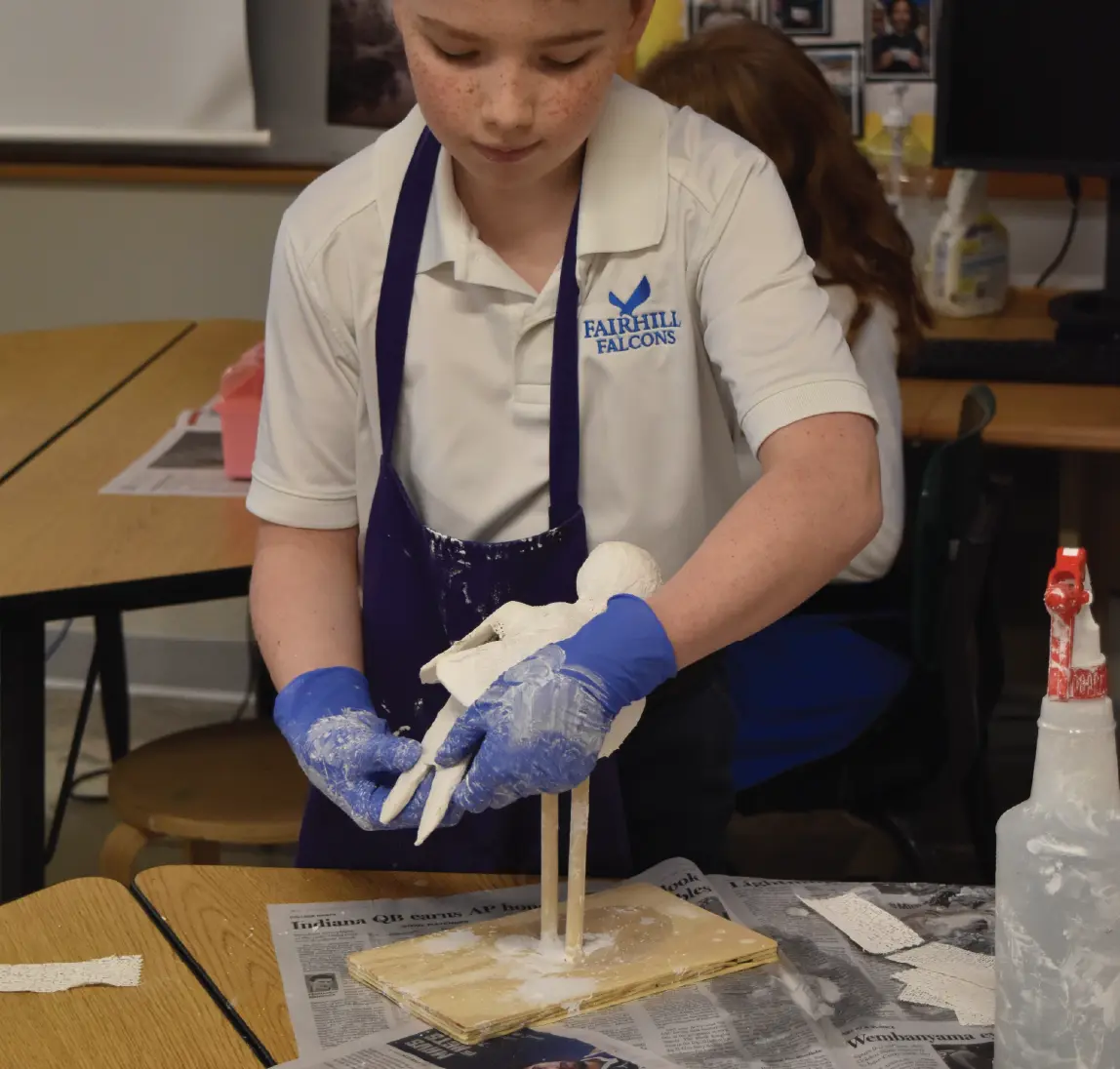
Visual arts, music, drama, and movement activities celebrate diverse talents and provide multiple pathways for expression and success. Arts integration extends into academic areas, with teachers using creative approaches to support learning in reading, math, and other subjects. Many students with learning differences have exceptional creative abilities that flourish in this environment.
Physical Education
Physical Education and Wellness
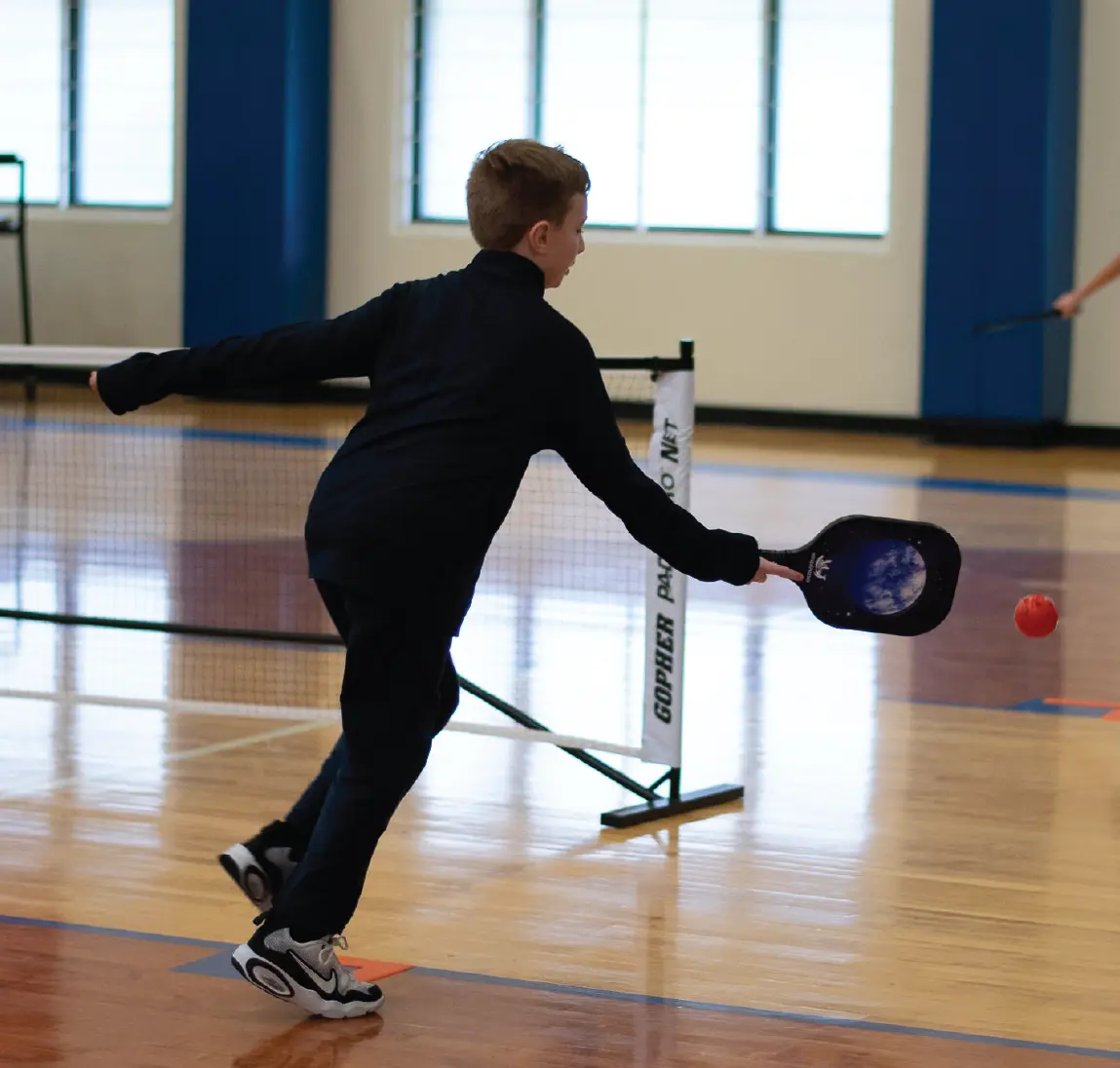
Physical education focuses on gross motor development, coordination, and positive experiences with activity. Both individual and team activities build fitness, social skills, and sportsmanship while developing healthy lifestyle habits.
Technology
Technology Integration
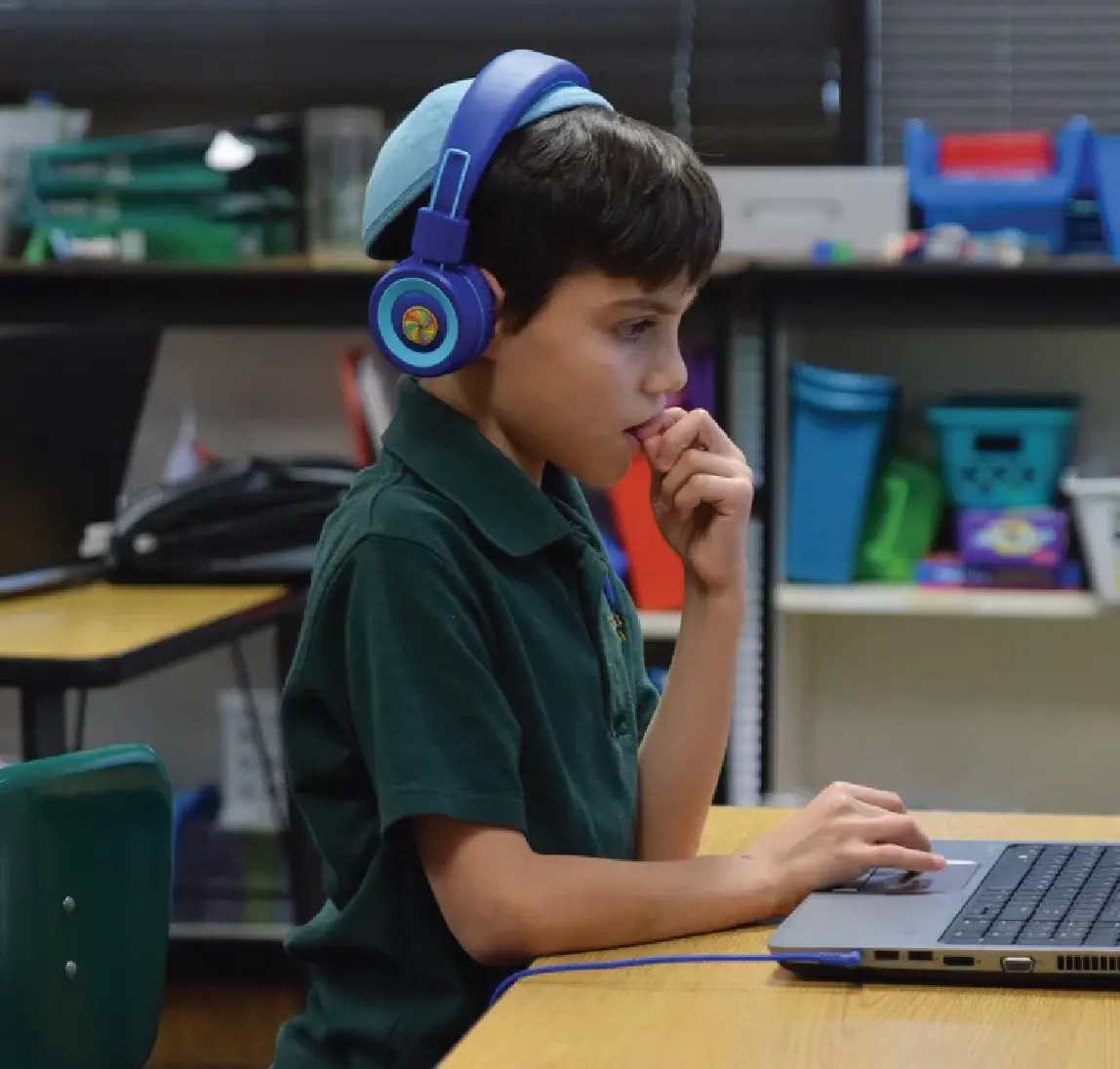
Age-appropriate technology instruction builds digital literacy while introducing assistive tools that support learning differences. Students learn responsible technology use and begin understanding how these tools can help them throughout their education.
Looking Ahead
Preparing for Middle School
Transition preparation includes gradual introduction of increased independence, organizational demands, and academic expectations. Fifth graders participate in specific activities that introduce middle school expectations while maintaining the supportive elementary environment.
Questions
Frequently Asked Questions
Grades 1-5, with specialized instruction designed for young learners with learning differences.
Specialized methodologies, smaller class sizes, and individualized support address specific learning differences through evidence-based practices that traditional schools cannot provide.
We maintain our 7:1 student-teacher ratio, allowing individualized attention and customized instruction for every student.
Intensive, systematic structured literacy instruction with phonemic awareness, phonics, and multi-sensory techniques proven effective for students with dyslexia.
Occupational therapy, speech-language therapy, counseling, and learning specialist support, all coordinated with classroom instruction.
Through success experiences, celebrating individual progress, supportive relationships, and helping students discover their unique strengths and talents.
Regular communication, parent education, home support training, and conferences keep families informed and engaged as essential partners.
Gradual introduction of increased expectations, organizational skills, and independence throughout elementary, with specific fifth-grade transition activities.
Explore our curriculum guides to learn more about the academic programs, courses, and learning opportunities offered in Elementary School:
Elementary School Curriculum – [Elementary Curriculum Link]
Join Our Mailing List
Get the latest news and updates straight from us.